What RallyLeagues Taught Me About Assumptions
I spent six months building a sports league platform around one big bet. This week that bet shifted. Here is what I learned about building around assumptions and what I actually built.
I spent six months building a sports league management platform around one idea: a premier 30-court pickleball destination in Carson, CA would become the anchor that proved the concept. Big facility. Serious players. Real leagues. I would build the software, they would supply the courts and the community, and we would figure out the rest together.
This week I found out they are most likely scaling back. The 30-court vision is not happening. The business model did not hold.
I am not going to pretend that does not sting. It does.
But here is what I have been sitting with: the platform still works. The lineup feature I shipped today so captains can set their rosters before league night works whether there are 9 courts or 90. The scheduling, the standings, the team management: none of that cares how many courts a facility has.
What I built around one anchor partner actually solves a problem for a lot of smaller venues. Parks. Rec centers. Community leagues run by a coordinator who is doing it because they love the sport, not because they are chasing a business model.
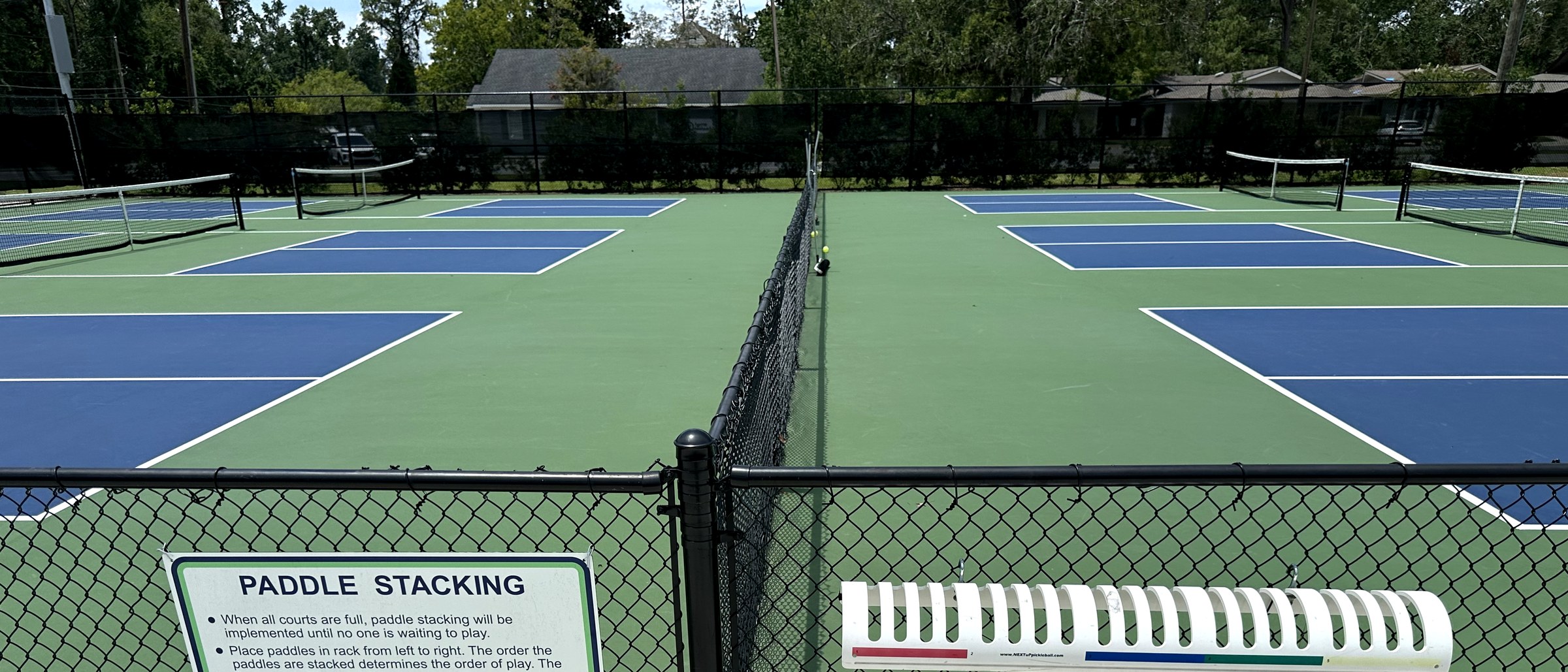
I had a call today with exactly that kind of person: a parks commissioner running a local pickleball league out of pure enthusiasm. We revised a few things in RallyLeagues together to make it work for his group. It took an hour. It fit.
That is the thing about assumptions. You build around a big bet and it shapes everything: your feature set, your pitch, your mental picture of what success looks like. When the bet shifts, it feels like the whole thing is falling apart. But usually what is actually happening is you are finding out what you actually built.
I built something for people who run leagues. Turns out there are a lot of those people.
RallyLeagues is not dead. It just got a new anchor.